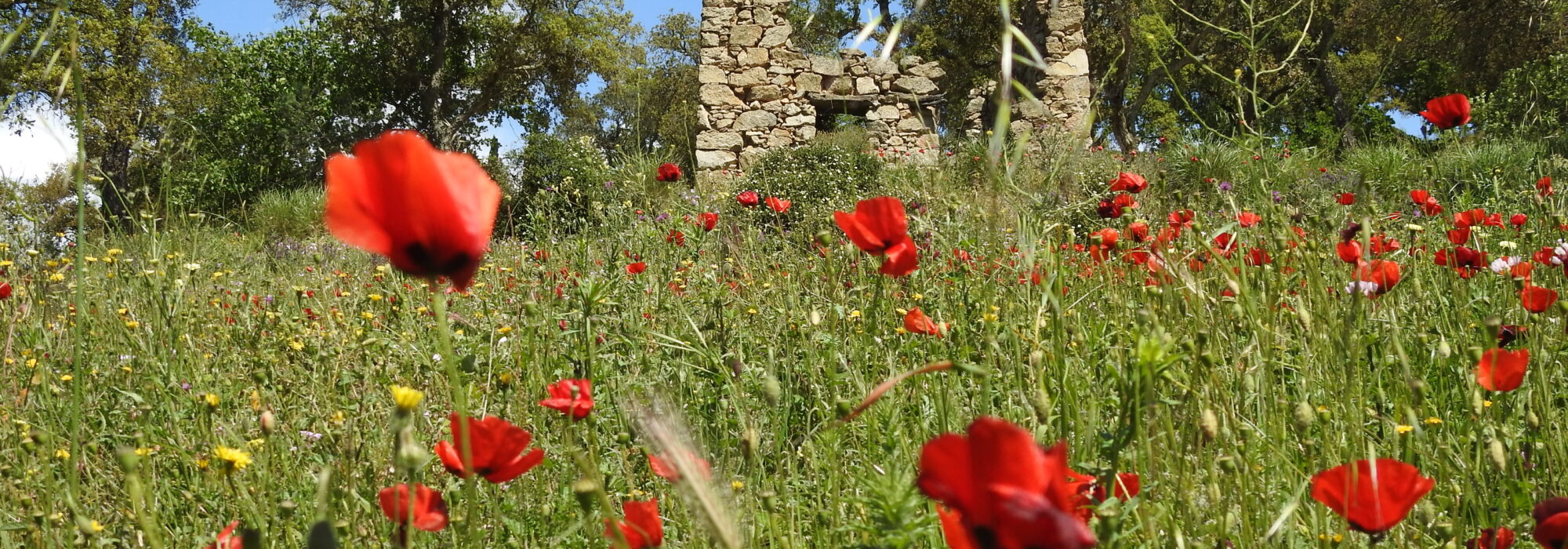
In the heart of the Gulf of Saint-Tropez, the Mediterranean maquis reveals all the richness and authenticity of our crystal-clear Provence. With its umbrella pines, rockroses, butterfly lavender, arbutus, cork oaks and tree heaths, this characteristic vegetation forms unspoilt landscapes imbued with the iconic scents of the Mediterranean. Renowned for their wellness benefits, these plants also inspire local crafts and play a significant role in Provençal cuisine. The maquis is also home to a discreet yet precious fauna: Hermann’s tortoises, lizards, butterflies and numerous birds find refuge here. A true natural treasure of the region, this environment invites you to recharge your batteries and unwind.
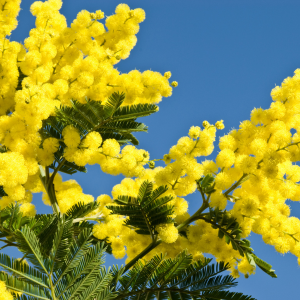
The mimosa
With its bright blossoms and delicate fragrance, the mimosa is one of the symbols of winter in the Mediterranean. Le Rayol-Canadel sur Mer is one of the iconic stops on the Mimosa Route, nestled between the sea and the Massif des Maures. This sunny flower brightens up the landscape from January to March and invites you to explore the area. In our shop, you’ll also find a selection of merchandise and souvenirs inspired by the mimosa.
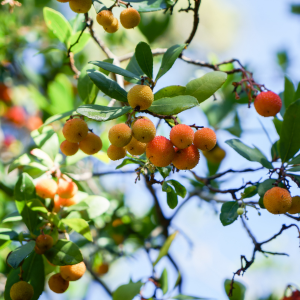
L’arbousier
Nicknamed the ‘strawberry tree’, the strawberry tree is easily recognised by its red berries and its autumnal blossoms. Its edible fruits, rich in vitamin C and antioxidants, are prized for their benefits to the immune system and for protecting cells. Used in the production of jams, syrups and liqueurs, the arbutus tree embodies both the authentic flavours and the natural heritage of the Gulf of Saint-Tropez.
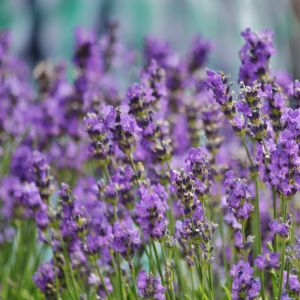
Lavande papillon
A hallmark of our maquis, butterfly lavender captivates with its purple flowers topped with delicate bracts reminiscent of butterfly wings. Renowned for its soothing properties, it helps to relieve muscle pain. Rich in linalool and linalyl acetate, it is also valued for its mosquito-repelling properties and its use in essential oils and natural skincare products.
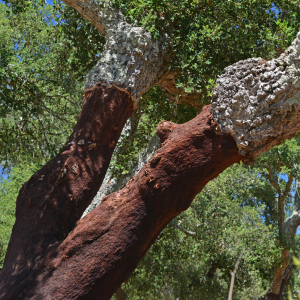
Chêne-liège
Recognisable by its thick, renewable bark, this remarkable tree plays a vital role in local biodiversity whilst providing a natural resource that has been exploited since ancient times for the quality of its cork; today, it remains a symbol of Provence’s natural heritage and traditional craftsmanship.
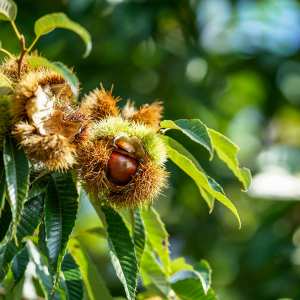
Châtaignier
A majestic tree of the Maures mountains, the chestnut tree has been prized for centuries for its nutritious fruit and sturdy wood. Rich in fibre, minerals and vitamins, the chestnut is a natural source of energy renowned for its nutritional qualities. Every autumn, the Chestnut Festival celebrates this delicious and convivial culinary heritage!
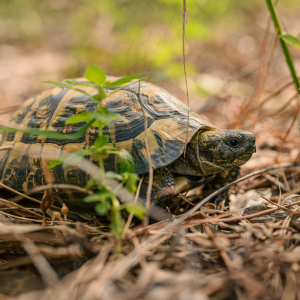
Tortue d’Hermann
The Hermann’s tortoise, France’s only land tortoise, is a rare and protected species. Vulnerable due to wildfires, urbanisation and the loss of its habitat, it is now the subject of conservation measures that are essential to its survival. A true symbol of the biodiversity of the maquis, it embodies both the richness and fragility of the region’s natural heritage.
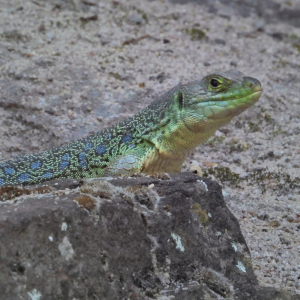
Lézard ocellé
Impressive in size and appearance, the ocellated lizard may seem intimidating when it feels threatened, but it remains a shy reptile that prefers to flee rather than attack. Recognisable by its blue ocelli and vibrant colours, it inhabits the dry, sunny habitats of the Massif des Maures.
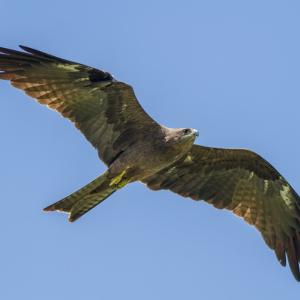
Milan noir
An elegant bird of prey, recognisable by its majestic flight, the black kite soars over the landscapes of the Gulf of Saint-Tropez in search of small animals and fish. A discreet migrant, it is particularly fond of the region’s wetlands, forests and unspoilt areas.
To find out more about the local flora and fauna, two guided tours are available:

Guided hike
Discover the benefits of Mediterranean flora whilst out walking. Along the way, you’ll be introduced to a selection of plant species known for their health benefits, culminating in a tasting session hosted by the Domaine du Val d’Astier. (Please wear suitable walking shoes)
- Meet at 9:30 a.m. on the last Tuesdays of April, May, September and October.
- Registration condition: at the latest the day before, at the Cogolin tourist office or book your tickets here!
- Single price: €5 /pers. Free for children under 12. Payment: cb only.
- Duration: 3h – Minimum 4 people
Country walk
During a walk – relaxation in the heart of the Domaine du Val d’Astier, our guide will make you discover the abundant fauna and flora of our countryside. Let yourself be guided by professionals sensitive to nature!
- Meet at 9:30 a.m. on the last Fridays of the month from April to October and every Friday in July and August.
- Registration condition: at the latest the day before, at the Cogolin tourist office or book your tickets here!
- Single price: €5 /pers. Free for children under 12. Payment: cb only.
- Duration: 2h – Minimum 4 people

Fire risk prevention in forest areas
Woodlands are sensitive natural areas that are particularly vulnerable to fires during the summer months. In the Mediterranean region, drought and wind can rapidly accelerate the spread of fire. The majority of fires are caused by human activity: vigilance is essential.
Before heading into the forest
- Check the daily access map for the mountain ranges here (some areas may be off-limits depending on the risk level)
- Strictly observe access restrictions during periods of high risk
Risky behaviours to avoid
- Smoking in the forest or throwing cigarette butts on the ground
- Barbecuing or lighting fires in the open countryside
- Using tools that produce sparks during dry periods
- Parking on dry vegetation
Good habits in the forest
- Stay on marked trails
- Take all your rubbish with you
- Clear brush from around homes located in wooded areas (a legal requirement in many areas)
- Use designated and authorised areas for outdoor activities
In the event of a fire
- Alert the emergency services immediately (18 or 112)
- Do not attempt to extinguish a large fire on your own
- Move away in the opposite direction to the wind
- Head for an open area (road, clearing, rocky area)
- Take shelter and follow the instructions of the authorities
In the forest, every action counts: prevention helps to protect lives, homes and a fragile natural heritage.